





Ep. 14: Jaipur and Japan with Anukrti Upadhyay
In the 14th episode of India Booked, author Anukrti Upadhyay takes us through the deserts of Rajasthan and the hot springs of Japan through her






In the 14th episode of India Booked, author Anukrti Upadhyay takes us through the deserts of Rajasthan and the hot springs of Japan through her
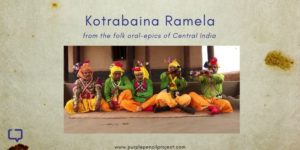
The epics have been a major influence across communities and tribes in India. In the folk oral epics of Central India, especially in Chattisgarh and

Short Story Thursday is a weekly series dedicated to highlighting the short-stories from Indian literature. In August, we focused on the theme of #WomenInTranslation. First

Lorem Ipsum is simply dummy text of the printing and typesetting industry. Lorem Ipsum has been the industry's standard dummy text ever since the 1500s, when an unknown printer took a galley of type and scrambled it to make a type specimen book.
Lorem Ipsum is simply dummy text of the printing and typesetting industry. Lorem Ipsum has been the industry's standard dummy text ever since the 1500s, when an unknown printer took a galley of type and scrambled it to make a type specimen book.
Lorem Ipsum is simply dummy text of the printing and typesetting industry. Lorem Ipsum has been the industry's standard dummy text ever since the 1500s, when an unknown printer took a galley of type and scrambled it to make a type specimen book.

Lorem Ipsum is simply dummy text of the printing and typesetting industry. Lorem Ipsum has been the industry's standard dummy text ever since the 1500s, when an unknown printer took a galley of type and scrambled it to make a type specimen book.
Lorem Ipsum is simply dummy text of the printing and typesetting industry. Lorem Ipsum has been the industry's standard dummy text ever since the 1500s, when an unknown printer took a galley of type and scrambled it to make a type specimen book.
Lorem Ipsum is simply dummy text of the printing and typesetting industry. Lorem Ipsum has been the industry's standard dummy text ever since the 1500s, when an unknown printer took a galley of type and scrambled it to make a type specimen book.
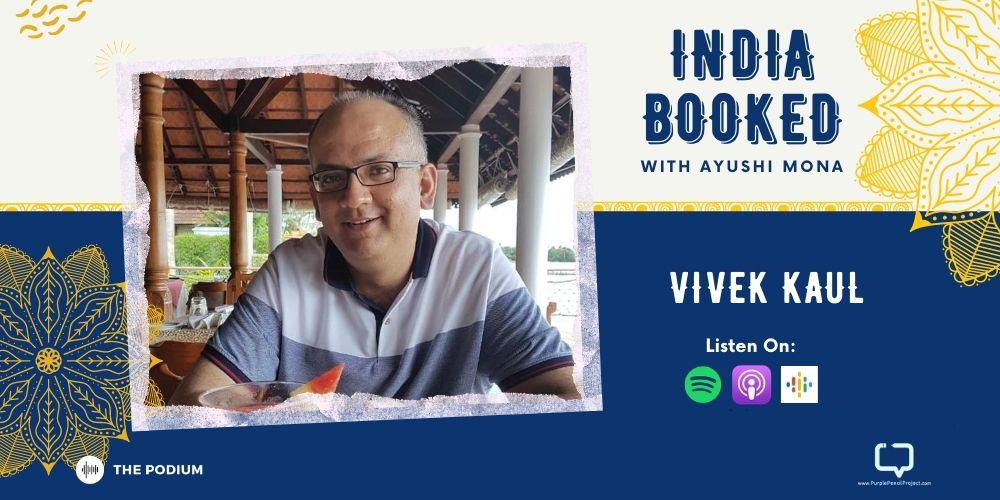
Bad Money, Vivek Kaul’s latest works, is an important title for the way he discloses the history of the Indian Economy and Banking system, and



![Tis the season for Christmas movies and good food! 🎄
So, we’re switching things up from our usual screenwriting discussions and bringing the magic of movies to life with a cozy private screening to kickstart the holiday cheer.
🗓️ When? December 14
⏰ Time? 6:30 PM – 10:00 PM
📍 Where? Andheri West
We’re bringing the timeless Christmas classic ‘It’s a Wonderful Life’ to the screen—this is one you won’t want to miss! Limited seats, so RSVP before they’re gone!
Drop us a DM to grab your spot.
[Christmas party private movie screening it’s a wonderful life screenwriting corner club december]](https://www.purplepencilproject.com/wp-content/plugins/instagram-feed/img/placeholder.png)